
How to Choose the Right Chainsaw: Complete Buying Guide
Choosing the right chainsaw can make a big difference when you’re cutting firewood, trimming branches, cleaning up storm damage, or handling demanding outdoor work.
With so many chainsaw sizes, power options and features available, it can be difficult to know which model is right for you. The key is to choose a chainsaw based on the type of work you actually plan to do, rather than simply buying the biggest or most powerful saw.
In this guide, Ironfox Fabrication explains what to look for when choosing a chainsaw, including bar length, power source, safety features, maintenance and accessories.
What Should You Consider When Choosing a Chainsaw?
Before buying a chainsaw, think about these five things:
- What type of work will you be doing?
- How large are the branches or logs you normally cut?
- Do you prefer gas or battery power?
- How often will you use the chainsaw?
- What safety equipment and accessories will you need?
A larger chainsaw is not automatically the right choice. Longer bars can handle larger wood, but they can also add weight and require more effort to control.
1. Choose the Right Chainsaw Bar Length
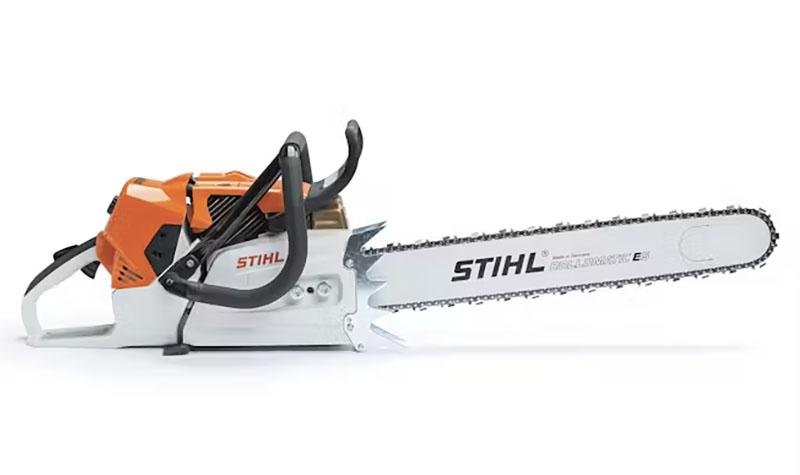
The guide bar is the long metal bar around which the chain moves. Its length is one of the most important specifications to consider.
For lighter jobs such as pruning and cutting smaller branches, a smaller chainsaw can be easier to handle. For larger trees, logs and heavier cutting, a longer bar may be appropriate.
As a general guide, chainsaws with bars around 6–18 inches are commonly used for pruning and lighter property maintenance, while approximately 18–20 inches can be suitable for larger trees, firewood and heavier work. Professional applications may require larger equipment depending on the job.
Don’t automatically choose the longest bar
A longer bar can cut larger wood, but it also adds weight and can make the saw more difficult to handle. Choose a bar that matches the size of the material you normally cut.
2. Gas vs. Battery Chainsaws
Another important decision is choosing between a gas-powered and battery-powered chainsaw.
Gas Chainsaws
Gas chainsaws are commonly used for demanding cutting jobs where mobility and extended operation are important.
Potential advantages include:
- Strong cutting performance
- No electrical cord
- Useful for remote locations
- Suitable for demanding outdoor work
- Available in many professional sizes
Gas models do, however, require fuel and regular engine maintenance.
Battery Chainsaws
Battery-powered chainsaws have become increasingly popular. Modern battery models can be useful for homeowners, property maintenance and many lighter cutting jobs.
They are generally easier to start and require less routine maintenance than gas models. Battery chainsaws also avoid the need to mix fuel.
Your choice should depend on the type and amount of cutting you expect to do.
3. Look for Important Chainsaw Safety Features
A chainsaw is a powerful cutting tool, so safety should be considered before price or appearance.
Important features to look for include:
- Chain brake: Helps stop the chain quickly during a kickback event.
- Chain catcher: Helps reduce the risk from a thrown chain.
- Trigger lockout: Helps prevent accidental activation.
- Automatic chain oiler: Keeps the chain and bar lubricated during operation.
- Reduced-kickback chain and bar: Designed to reduce kickback risk.
- Hand guards: Provide additional protection during operation.
Always read the manufacturer’s operating instructions before using a chainsaw.
4. Don’t Forget Chainsaw Safety Gear
Buying the chainsaw is only part of being prepared.
Depending on the work, appropriate protective equipment can include:
- Eye protection
- Hearing protection
- Cut-resistant gloves
- Chainsaw chaps or cut-resistant leg protection
- Protective footwear
- Head and face protection
Proper safety equipment can help reduce the consequences of common chainsaw hazards.
Never operate a chainsaw when you are unfamiliar with the equipment or the work environment. For difficult tree removal or hazardous cutting situations, consider using a properly trained professional.
5. Keep Your Chainsaw Maintained
A well-maintained chainsaw can perform more efficiently and help you identify problems before they become serious.
Before using your saw, check important areas such as:
Chain tension
A chain that is too loose can create problems, while incorrect tension can affect cutting performance and safety. Follow the manufacturer’s instructions for checking and adjusting chain tension.
Chain sharpness
A sharp chain cuts more efficiently. A dull chain can make cutting harder and place additional strain on the saw.
Chain lubrication
Make sure the bar and chain receive the correct lubrication. Proper lubrication helps reduce wear and overheating.
Bar condition
Inspect the guide bar for damage and excessive wear. Clean the bar groove and keep debris from building up around the saw.
Common Mistakes When Buying a Chainsaw
Buying a chainsaw that is too large
Bigger is not always better. A heavy saw can become difficult to control, particularly during longer jobs.
Buying a saw that is too small
A small chainsaw may not be suitable for large logs or demanding cutting work. Match the saw’s capabilities to the material you need to cut.
Ignoring replacement parts
Before buying a chainsaw, consider the availability of replacement chains, bars, spark plugs, filters, batteries and other parts.
Forgetting accessories
A chainsaw is more useful when you have the right accessories and maintenance supplies available.
Which Chainsaw Is Right for You?
The right chainsaw depends on your job.
For light property maintenance:
Consider a smaller, easy-to-handle chainsaw.
For firewood and medium cutting jobs:
A medium-sized chainsaw may provide a useful balance of cutting ability and handling.
For demanding professional work:
Look for a professional-grade chainsaw that matches the size and type of work being performed.
For occasional homeowners:
A battery-powered chainsaw may be convenient for lighter work where its runtime and cutting capacity are sufficient.
There is no single chainsaw that is perfect for every job. The best approach is to match the saw’s power, bar length and features to your actual workload.
Why Choose Ironfox Fabrication?
At Ironfox Fabrication, we understand that choosing equipment can be confusing when there are so many models and specifications available.
Our goal is to help customers find chainsaws and accessories suited to their needs, whether they are looking for equipment for property maintenance, firewood cutting, outdoor work or more demanding applications.
We also provide custom fabrication and industrial repair services, giving customers a place to find both chainsaw-related products and professional fabrication solutions.
Shop Chainsaws and Accessories
Looking for a new chainsaw?
Explore the Ironfox Fabrication store to find chainsaws, accessories and equipment for your next project.
Need help choosing a model? Contact Ironfox Fabrication and tell us what type of work you need the chainsaw for.
Frequently Asked Questions
What is the best chainsaw for home use?
The right chainsaw depends on the work you need to perform. Smaller models are generally easier to handle for lighter jobs, while larger models are designed for bigger cutting tasks.
Is a longer chainsaw bar better?
Not necessarily. A longer bar can handle larger material, but it can also increase weight and make the chainsaw more difficult to handle. Choose the bar length according to your typical cutting needs.
Are battery chainsaws powerful enough?
Modern battery-powered chainsaws can handle many pruning, cleanup and property-maintenance jobs. For heavier or extended cutting, the appropriate gas or professional-grade equipment may be more suitable.
How often should a chainsaw chain be sharpened?
There isn’t one fixed interval because it depends on how frequently you use the saw and what material you cut. Inspect the chain regularly and sharpen it when cutting performance begins to decline.
What safety equipment do I need for a chainsaw?
Appropriate equipment can include eye and hearing protection, protective footwear, gloves, and chainsaw chaps or other cut-resistant leg protection. Always follow the chainsaw manufacturer’s safety instructions.
Final Thoughts
Choosing the right chainsaw doesn’t have to be complicated. Start by identifying the work you need to do, then choose the appropriate power source, bar length and safety features.
The right equipment can make your work more efficient while proper maintenance and safe operating practices help you get the most from your chainsaw.
For chainsaws, accessories, custom fabrication and industrial repair services, contact Ironfox Fabrication today.
Safety note: Always follow the manufacturer’s instructions and use appropriate protective equipment. Chainsaw operation can be hazardous, and difficult tree-felling or other high-risk work should be handled by appropriately trained professionals.